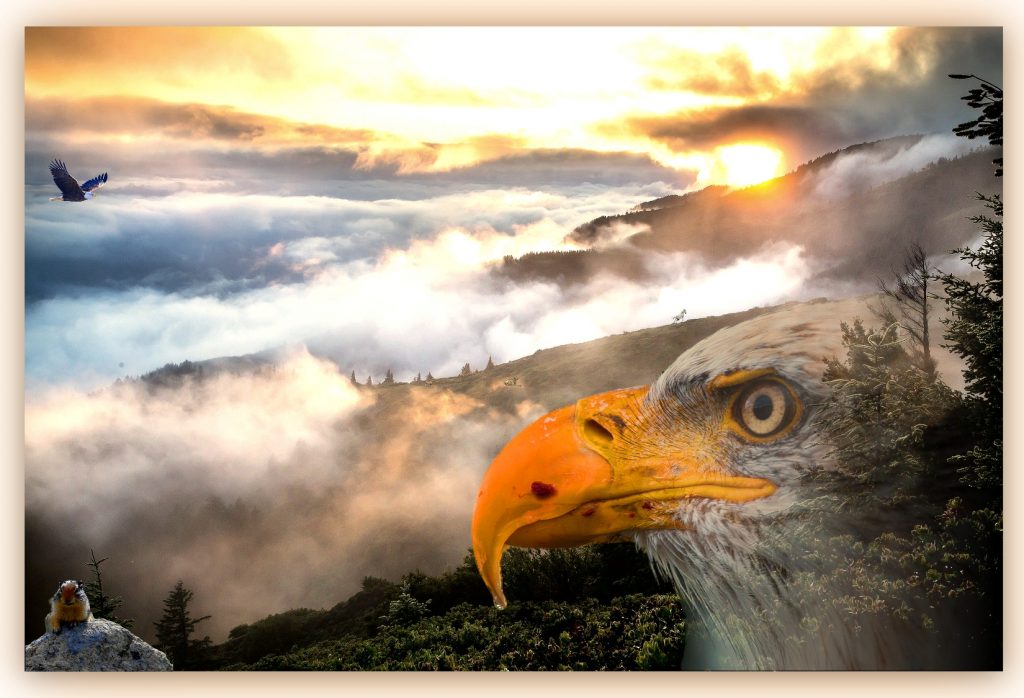
There was a reason it was called The Wild West. To date it has been chained, but not fully tamed. It is not mere backdrop to daily activity. The Wild West’s very nature makes it a first-person player in the game of life. Jhesephat City gets born, grows up, gets old, and dies just like all other characters.
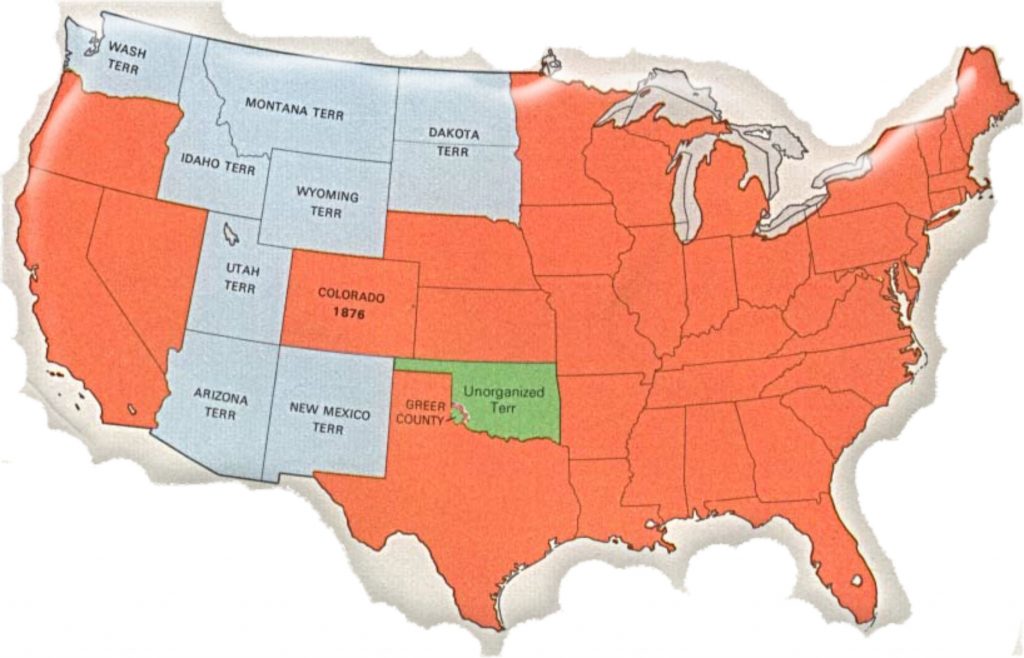
New Mexico, the next-to-last of the Wild West to join the Union as a state, had been Nuevo Mexico since 1610. A confabulation between the US and Mexico led to the Treaty of Guadalupe Hidaldo (ratified 1848). By 1850 the US had established a territorial governance system. In 1863 Congress carved off the western chunk of the New Mexico Territory, thus establishing the Arizona Territory.
The Territories were not flat. Yes they have desert and vast expanses of “Desperately Dry!”. But they also have cold and snow. The mountains in the Territories approach the Alps in height. Amazing amounts of gold and silver have been taken from the Territories.
Unfortunately, entire forests were stripped to bare earth. One forest was burned just for spite! People from the East expected the forests to regenerate on their own, much as they always have in the original Thirteen Colonies. Reforestation did not happen. Those forests once-upon-a-time produced the rainfall that watered the trees. No trees, no rain. No rain, no trees.
Lower in elevation, the massive Great Plains Prairie grasslands naturally flowed into the Dakotas, Montana, Wyoming, Colorado, and the upper corner of New Mexico. Cattle grazing there was (and still is) an important industry.
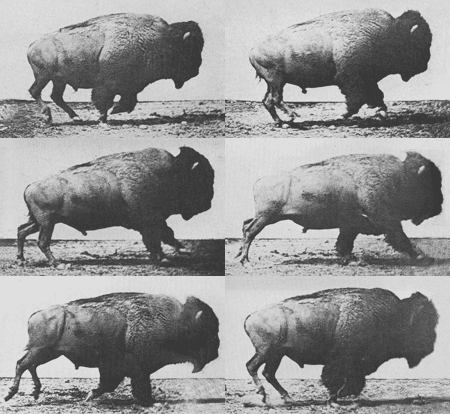
The rapid proliferation of trains that traversed the Territories demanded coal as fuel. Underneath the fertile soils of many areas in the Territories vast beds of coal were found. The living topsoil was scraped off to get to the dead fuel. Ecosystems were murdered to feed the iron horse.
Seemed like a good idea at the time.
The measuring systems in the United States of America used ounces, pounds, tons, calibers, shots, cups, quarts, magnums, gallons, barrels, melchiors, buttloads, inches, feet, yards, miles, acres and sections. The only thing “metric” was the money. Ten pennies made a dime. Ten dimes made a dollar. Five dimes or two quarters made 50 cents (half-dollar).
However, there were also “bits”. Cutting a silver dollar into ten pieces was near-impossible, but one could cut it in half, quarters, and half-quarters. The 1/8th pieces were known as “bits”.
Shave and a hair cut, two bits. Or two dimes and a nickel. Or one quarter of a dollar. Twenty-five cents.
Most “money” back then was merely script issued by the many banks. Promissory notes. Banks pretending they would exchange the paper for something of value. Consequently, a gold or silver coin was more likely to call attention to the seriousness of the buyer’s intent to not defraud the seller.
On the other hand, the seller might be trying to defraud the buyer. When goods or service were suspect, bank notes (or worthless fancy printed shares of mining stock) would be offered in exchange.
The Territories was an experiment in lawlessness no eagle would understand. While they soared and the animals roamed, the Territories endured a prodigious and unrelenting change as conflicting races of humans, as well as individuals and gangs, frequently collided, attacked, retreated, isolated, and generally mangled each other to establish superior footholds, or to avoid extinction entirely.
Living in the Wild West was an act of desperation. As beautiful as it was, “Ya cain’t eat the scenery.”