“The windows to my shop, gentlemen, are perfidiously perforated nightly by drunken gun slingers who cannot hit the broad side of a barn, much less each other, but somehow manage to repeatedly strike my shop windows! Unlike some establishments who prefer a darkened interior to conceal the questionable quality of their goods, I let light flow into mine to shine truth on my inventory.”
She leaned forward to make her point.
“Unlike the thick cheap slabs of wood covering your fortresses, I have thin, refined expensive glass. In most cities glass represents cultured society. Glass presents a certain dignity and forbearance. Glass is the future material for civilized commerce.”
“Glass breaks” mumbled a councilman.
“Precisely! The shards rip lace, satin, and the fine undergarments that I sell. The view of which I have been demurely informed immensely entertains you gentlemen.”
The Mayor rapped his gavel.
“Your point, Anne Marie?”
“We need a place to send these ruffians to duel. Get them out of the street. Herd them into a spot where we can all watch safely instead of ducking for cover as if we live in Dodge City or Tombstone.”
She drew a deep breath, let out a gentle sigh, then dropped her bomb on them.
“Jhesephat City needs a sports arena.”
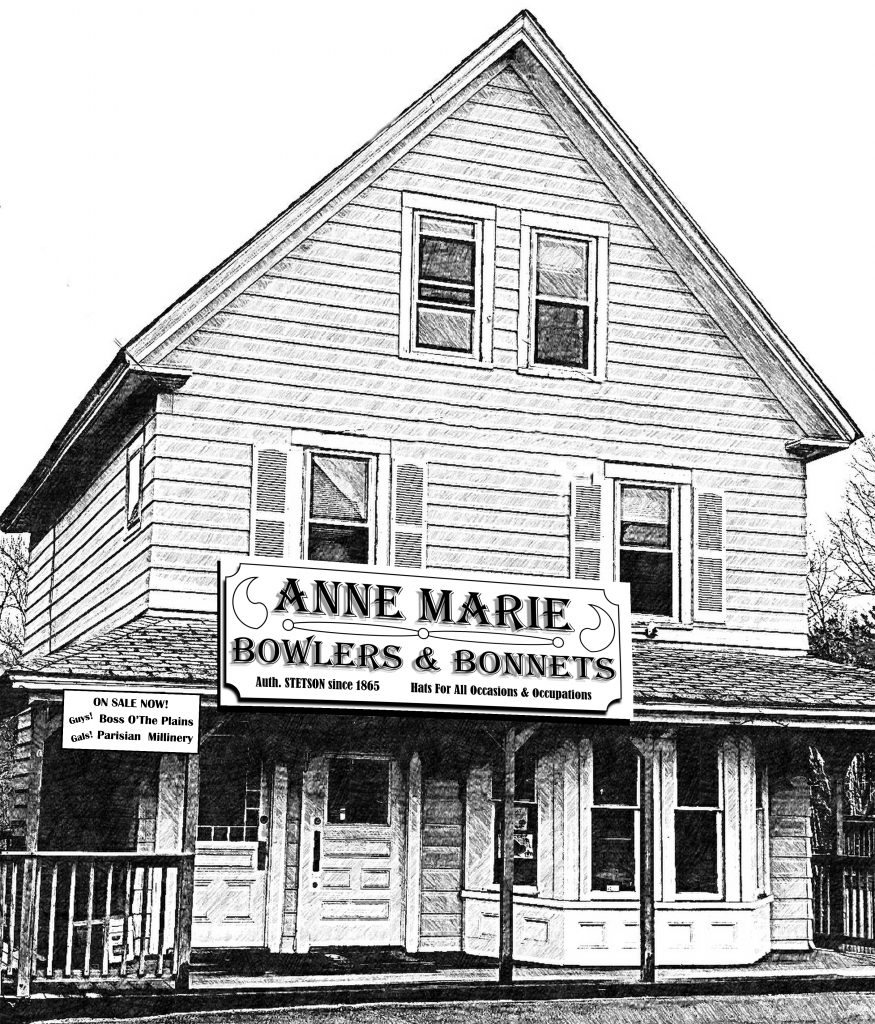
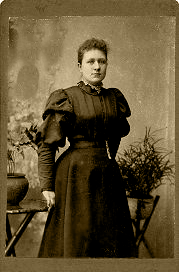
Anne Marie’s husband was killed in the 1872 boiler explosion at Troth, Gordon & Co. in Philadelphia. Shortly thereafter protesters forced her business to close and leave Philly. It is believed that members of the Magdalen Society took a righteous stand because they had convinced themselves the store she operated with her late husband was contributing to the plight of fallen angels.
“Apparel like that, if one can even call those…things…clothing, turns women into objects of lust and desire.” Said one of the protesters.
Polite Society got really bent out of shape when the widow Anne Marie replied.
“That’s the whole point. It is so much nicer when a husband desires his wife.”